
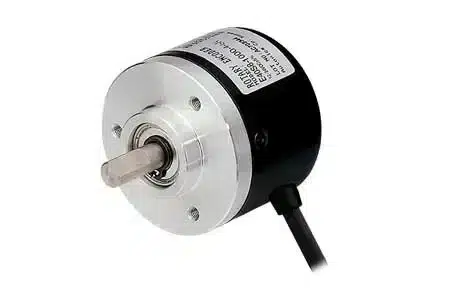
Autonics Encoders series
Autonics Encoders – E40S Series
Resolution: 1 to 5,000 PPR. Control Output: Totem pole, NPN open collector, Voltage, Line driver. Output Phase: A, B, Z (varies by model). Response Frequency: 300 kHz. Allowable Revolution: 5,000 rpm.
View series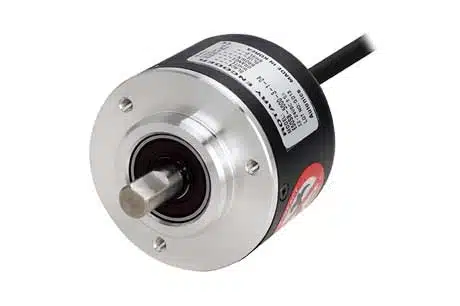
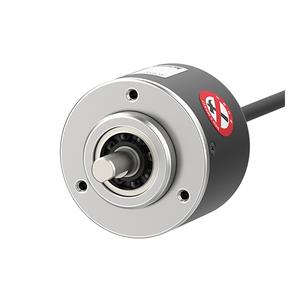
Autonics Rotary Encoder – E50S Series
Resolution: 1 to 8,000 PPR. Control Output: Totem pole, NPN open collector, Voltage, Line driver. Response Frequency: 300 kHz. Cable Specifications: Ø 5 mm, 5-wire (8-wire for Line driver), 2 m length.
View series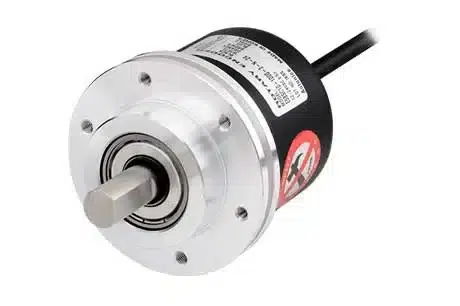
Rotary Encoder Autonics – E58SC Series
Control Output: A totem pole, NPN open collector, Voltage. Response Frequency: 300 kHz. Allowable Revolution: 5,000 rpm. Cable Specifications: Ø 5 mm, 5-wire (8-wire for Line driver), 2 m length.
View series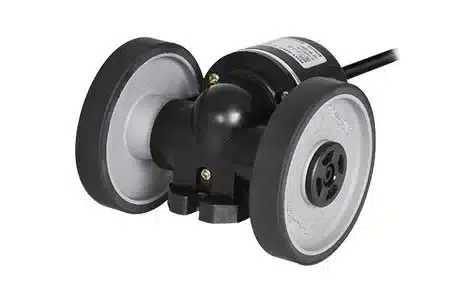
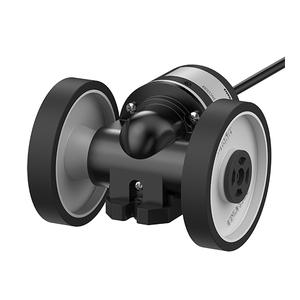
Encoder Autonics – ENC Series
Control Output: A totem pole, NPN open collector, Voltage. Response Frequency: 180 kHz. Allowable Revolution: 5,000 rpm. Cable Specifications: Ø 5 mm, 4-wire, 2 m length.
View series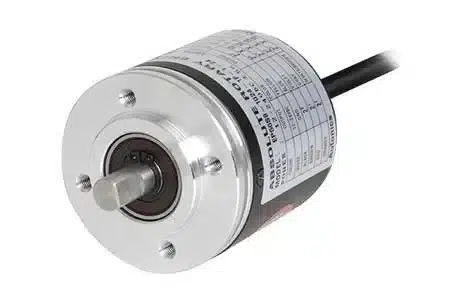
Autonics Absolute Encoder – EP50S Series
Resolution: ≤ 1024 divisions. Control Output: NPN open collector, PNP open collector. Response Frequency: 35 kHz. Connection: Axial cable type (cable gland). Cable Specifications: Ø 7 mm, 15-wire, 2m length.
View series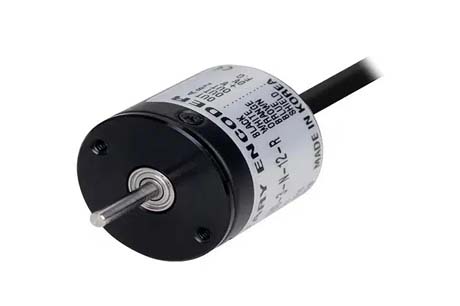
Autonics Rotary Encoders – E20HB Series
Control Output: NPN open collector, Voltage, Line driver. Response Frequency: 100 kHz. Connection: Axial/Radial cable type. Cable Specifications: Ø 3 mm, 5-wire (8-wire for Line driver), 1 m length.
View series
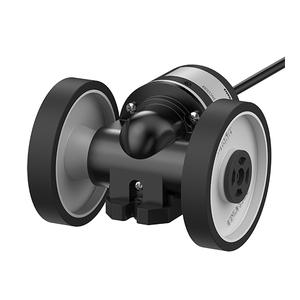
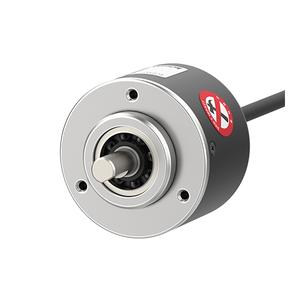
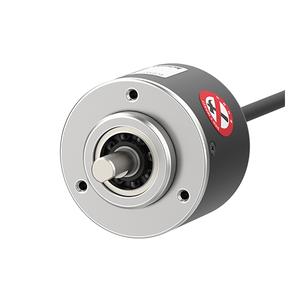
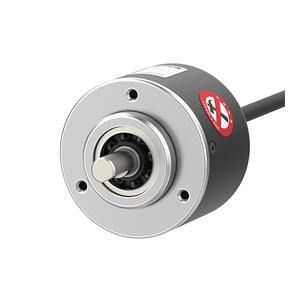
Top Autonics Encoders models
About Autonics Encoders
Types of Autonics Encoders
Autonics encoders are available in different types based on output signal, mounting style, and application requirements. Autonics Incremental Encoders Autonics incremental encoders generate pulse signals based on shaft rotation. Autonics Absolute Encoders Autonics absolute encoders provide exact position data even after power loss. These encoders are widely used in motors and conveyor systems for easy installation.
Applications of Autonics Encoders
Autonics Encoders are commonly used in:
Packaging machines
CNC machines
Conveyor systems
Elevator systems
Autonics Encoders FAQs
What are Autonics Encoders?
Autonics encoders are industrial motion sensors used to measure shaft rotation, speed, and position in automated machines. Autonics manufactures various encoder types including incremental encoders, absolute encoders, solid shaft encoders, and hollow shaft encoders , allowing engineers to select suitable motion feedback devices for different industrial automation applications.
How do Autonics rotary encoders work?
Autonics rotary encoders detect rotational movement and convert it into digital output signals used by machine control systems. Inside the encoder, a rotating disk passes through an optical sensor assembly. These signals are typically delivered as quadrature A/B phase signals , allowing control systems to determine both rotation direction and speed.
What is the difference between incremental and absolute encoders?
An incremental encoder generates a series of pulses as the shaft rotates. An absolute encoder , however, outputs a unique digital code representing the shaft’s exact position at all times. Incremental encoders are commonly used in speed monitoring and motion control applications , while absolute encoders are used where continuous position tracking is required .
What is PPR in rotary encoders?
PPR (pulses per revolution) refers to the number of output pulses generated by an encoder during one complete shaft rotation. Industrial machines requiring high precision—such as CNC machines and robotic systems —often use high-resolution encoders to maintain accurate positioning.
Need Autonics Encoders?
Send the model number, quantity and your company details to IndMALL on WhatsApp at +91 79955 44066. We connect you with the right suppliers.