
Introduction to Industrial Automation
Industrial automation has revolutionized the way we produce goods and manufacture products. From automotive assembly lines to food processing plants, automation has become an integral part of modern manufacturing and production processes. But what exactly is industrial automation , and how does it work? Whether you’re a student, engineer, or business owner, this post will provide you with a solid understanding of what industrial automation is, and why it’s so important in today’s world.
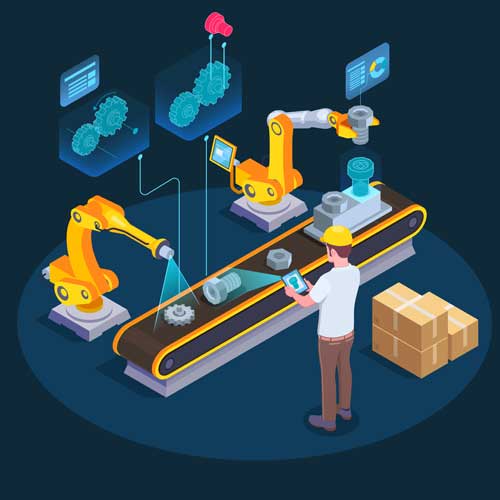
About Introduction to Industrial Automation
Benefits of Industrial Automation
Industrial automation has numerous benefits for businesses and industries, including increased productivity, efficiency, and safety. Automation can also help businesses increase their production output without having to increase their workforce. Examples of how automation has improved industrial processes and products include: Automotive Manufacturing: Automation has transformed the automotive industry, with robots performing tasks such as welding, painting, and assembly.
Challenges of Industrial Automation:
While industrial automation has many benefits, there are also several challenges associated with implementing automation in industrial processes. Here are some of the key challenges of industrial automation: High Upfront Costs: The initial cost of implementing an industrial automation system can be high, as it involves purchasing equipment, software, and other components.
Future of Industrial Automation:
The future of industrial automation is shaped by emerging technologies like artificial intelligence (AI), machine learning, and the Industrial Internet of Things (IIoT). AI can help businesses optimize their production processes, reduce waste, and improve product quality. Collaborative Robotics: Collaborative robots, also known as cobots, are designed to work alongside humans.
Introduction to Industrial Automation FAQs
What is Industrial Automation?
Industrial automation refers to the use of advanced technology and control systems to automate and optimize industrial processes, manufacturing, and production. There are many industries and processes where industrial automation is used, such as: Automotive Manufacturing: Industrial robots are used to perform tasks such as welding, painting, and assembly.
How Does Industrial Automation Work?
Industrial automation systems consist of several components that work together to automate industrial processes. They receive signals from sensors and make decisions based on pre-programmed instructions or algorithms. Controllers can adjust the speed of a motor, open or close a valve, or turn on or off a conveyor belt, among other actions.
Need Introduction to Industrial Automation?
Send the model number, quantity and your company details to IndMALL on WhatsApp at +91 79955 44066. We connect you with the right suppliers.