
Sick Contrast Sensor
Sick Contrast Sensor devices are used in industrial automation to detect small differences in contrast between marks and backgrounds on fast-moving materials. They are commonly used in packaging machines, printing lines, conveyors, and labeling systems where accurate mark detection is critical. Choosing the right Contrast Sensor helps ensure precise positioning and smooth operation. With strong support from Sick Dealers and Distributors , these sensors offer fast response, stable detection, and long-lasting performance in demanding environments.
- 5SICK series
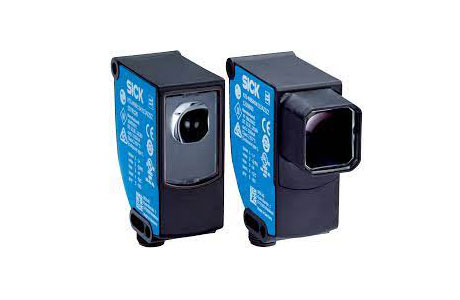
Sick Contrast Sensor series
Sick Contrast Sensor – KTS Series
RGB Technology: For optimal detection performance. Switching Frequency: Up to 70 kHz. Jitter: Minimal at 3 µs. Color Mode: Integrated for complex color detection. IO-Link: For diagnostics, visualization, and format changes.
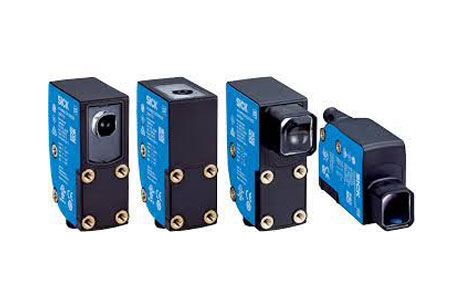
Sick Contrast Sensor KTX
TwinEye-Technology: Enhanced performance on glossy or fluttery materials. Switching Frequency: 50 kHz with a jitter of 5 μs. Response Time: 10 µs for accurate contrast detection at high speeds.
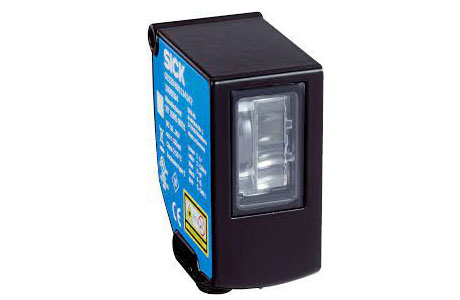
Sick Contrast Sensors – OLS Series
Luminescence Technology: For optical line guidance. Reading Field: 180 mm, capable of reading up to 3 lanes. Interfaces: CANopen, RS-485, or IO-Link; Measurement Accuracy: ± 1 mm. Signal-to-Noise Ratio: Very high (~1:1,000).
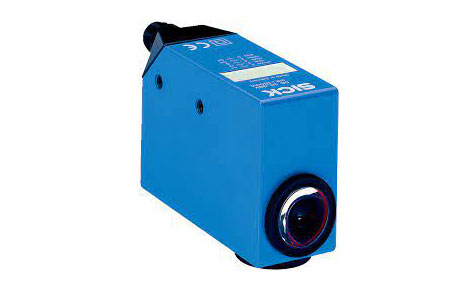
Sick Contrast Sensor KT8
Laser Technology: Precise laser for detecting small contrast marks and objects. Sensing Range: From 30 mm to 800 mm. Switching Frequency: High, at 17 kHz. Laser Class: Class 2 laser for precision.
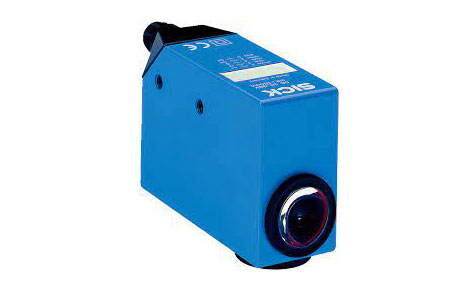
Sick Contrast Sensor KT5
RGB LED Technology: Ensures best contrast resolution. Sensing Distances: Options of 10 mm, 20 mm, 40 mm, 50 mm, and 200 mm. Connection Type: M12 connector, rotatable by 90°.
Top Sick Contrast Sensor models
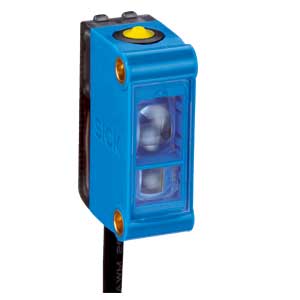
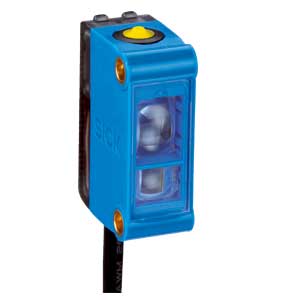
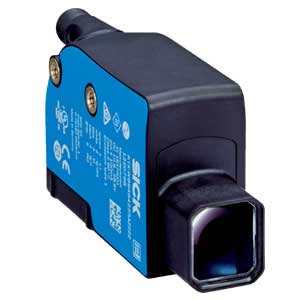
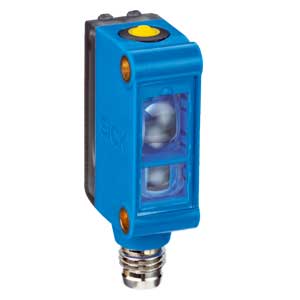
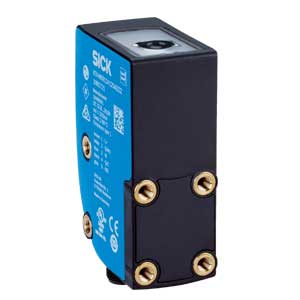
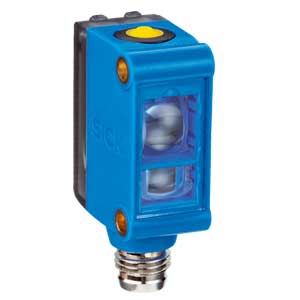
About Sick Contrast Sensor
Contrast Sensor Working Principle
These sensors are ideal for identifying marks, labels, or color differences on objects. They’re widely used in packaging and printing, where detecting registration marks or print quality is crucial. If you require Sick Contrast Sensor, Get a Call: at +91 79955 44066 Disclaimer: IndMALL serves solely as a platform connecting buyers and vendors.
Sick Contrast Sensor FAQs
What Does a Contrast Sensor Do?
A contrast sensor detects and differentiates between varying shades of light and dark colors on materials. It works by emitting light onto a surface and measuring the reflected light intensity. This capability is crucial in applications like packaging, where it ensures accurate alignment and positioning of materials with contrasting colors, enhancing precision in automation processes.
What is the Difference Between a Color Sensor and a Contrast Sensor?
The difference between a color sensor and a contrast sensor lies in their detection capabilities. In contrast, a contrast sensor detects the intensity of light reflected, distinguishing between varying shades and contrasts, rather than specific colors, to identify marks or features.
What Does Contrast Show in Imaging?
In imaging, contrast shows the difference in luminance or color, making objects distinguishable. High contrast means a greater difference between light and dark areas, enhancing visibility of details. Low contrast results in a flatter, less defined image. Contrast is crucial for clarity, depth perception, and defining shapes and textures in an image.
Need Sick Contrast Sensor?
Send the model number, quantity and your company details to IndMALL on WhatsApp at +91 79955 44066. We connect you with the right suppliers.